
Digital Transformation
The Middle East has been experiencing digital transformation, on a larger scale, that fundamentally has been changing the region’s way of conducting businesses and Governments getting more and more digitally savvy.
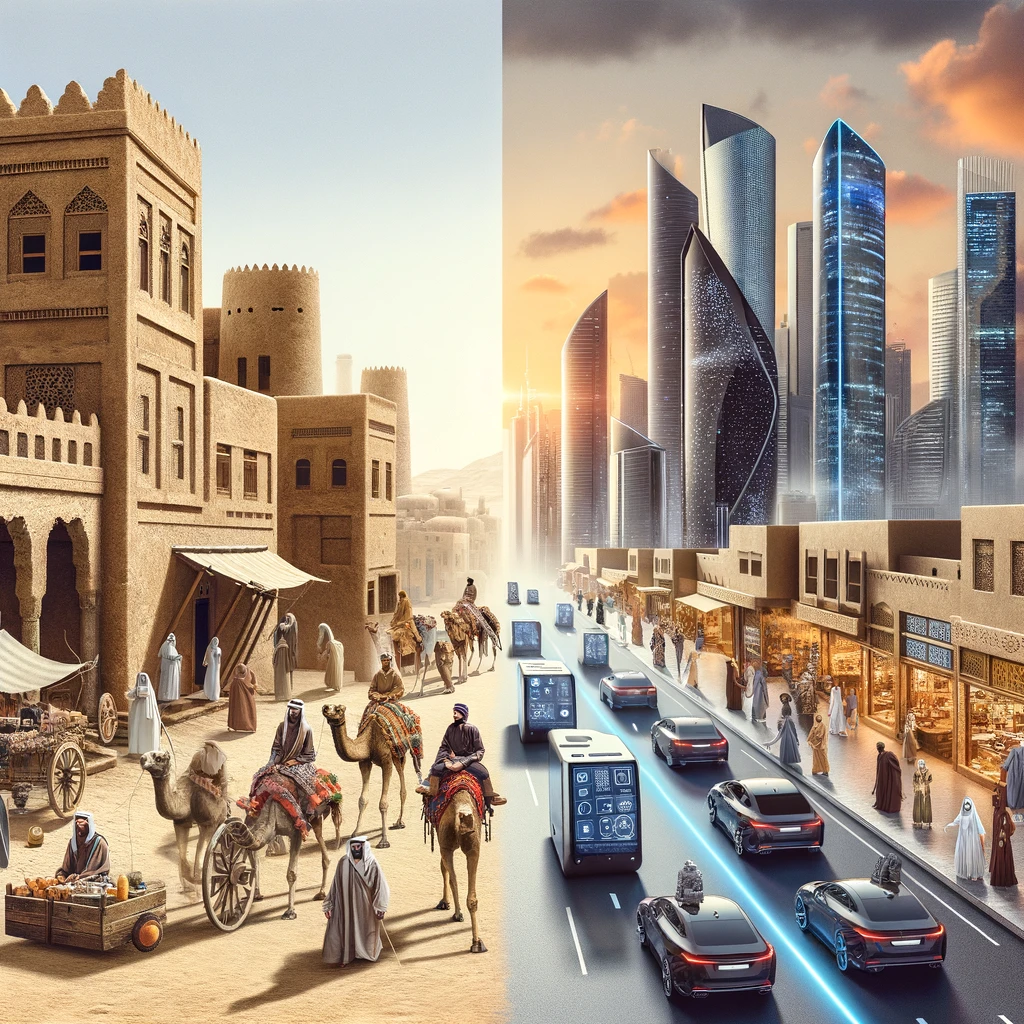
Spending on digital technology, including IT, telecoms, and emerging tech such as artificial intelligence, Internet of Things, blockchain and robotics, in the UAE over the next three years is expected to reach $20 billion, according to a report by the Boston Consulting Group.
Large-scale government-backed projects like Saudi Arabia’s Vision 2030 and the Emirates Blockchain Strategy further drive the spread and adoption of new technologies. According to McKinsey Research, “Artificial intelligence (AI) has the potential to deliver real value in the Middle East’s Gulf Cooperation Council (GCC) countries—as much as $150 billion”.
Every enterprise, from small establishments to large corporations, are adapting to swift technological changes and coping with shifting consumer tastes and expectations. Here are four ways digital transformation is changing businesses landscape across the Middle East.
1. Electronic Payment Services
Many establishments continue shifting away from cash dealings to electronic payments. This trend is especially pronounced in the UAE, where the electronic payments sector grew by 18.6% each year since 2021, and in Saudi Arabia, where the sector grew by 13.6% in the same period. They can process payments faster and facilitate better digital online sales.
2. Automated Logistics
As more transactions move to electronic formats throughout the Middle East, companies are in a better position to automate more of their logistics chains. This presents many businesses with cost-saving opportunities while disrupting many existing logistics providers, who must adapt to a changing landscape. Businesses in every industry, from logistics to retail and food service, leverage these changes to serve customers better.
3. Blockchain Technologies
The adoption of Blockchain technologies is reaching a useful maturity in the Middle East, where they are increasingly critical to product security and transaction integrity. Blockchain technologies make transactions transparent across e-commerce, healthcare, and financial services. Using blockchains, companies can track their products and prove their provenance to the end consumer. With added trust in supply chains and trade settlements, companies can better sell to customers who trust the quality of their products.
4. Customer Relationship Management tools
Businesses that want to be on a first-name basis with their customers can secure this relationship thanks to customer relationship management (CRM) software. In Middle East, localization for regional dialects and languages and compliance with differing information privacy laws are essential for businesses. Companies can also use CRMs to deliver personalized experiences and special offers to prime customers.
Expect More Rapid Changes Through 2024 (and beyond!)
With the maturation and increasing adoption of digital technologies across the Middle East, businesses are poised to experience transformational changes through 2024 and beyond. The active promotion and adoption of these technologies by governments create further opportunities for businesses to harness their potential. The triad of Government, Consumer and Business will augment increased adoption of digital technologies. It is usually for the businesses to catch up.
According to a report by McKinsey & Company, the region has the potential to become a leading digital economy, with e-commerce, digital media, fintech, and healthtech being the most promising sectors for growth. The report predicts that the digital economy in the Middle East and North Africa (MENA) region could reach $200 billion by 2025.